


Distinguished Flying Cross
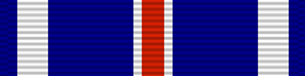
Distinguished Flying Cross
DESCRIPTION
The Distinguished Flying Cross (DFC) is awarded for heroism or extraordinary achievement performed while participating in aerial flight. This is the highest combat achievement award reserved for pilots, aircrew, and designated non-pilot air combatants in CSG-12. The act of heroism or achievement must be completely distinguishable from the actions of peers and directly contribute to the mission's success. It recognizes airmanship that transcends routine performance, often under heavy enemy anti-air or hostile fighter presence.
HISTORY
The Distinguished Flying Cross was established by an Act of Congress in July 1926. It is awarded to any officer or enlisted member of the Armed Forces who distinguishes themselves by heroism or extraordinary achievement while participating in aerial flight. Due to its nature, it holds high precedence, ranking just below the Legion of Merit in the overall precedence list. Notable recipients include aviators from every conflict since its inception, including Amelia Earhart and Buzz Aldrin.
PREREQUISITES
Heroism in Aerial Flight
The act of heroism must involve immediate and voluntary risk of life while engaged in combat flight operations against an enemy force.
Extraordinary Achievement
The performance must involve a singular, decisive achievement far exceeding the expectations of the member's specific aerial role or mission.
Critical Tactical Success
The achievement or heroism must directly result in the successful completion of a critical objective or the saving of friendly air or ground assets.
Verification
The action must be confirmed by two or more aircrew, ground spotters, or mission editors who can submit clear, sworn accounts of the flight.